
Can Composite Decking Be Painted? Preparation, Options, and Advice
Winter isn’t the only time homeowners think about refreshing their outdoor surface. If you’re asking can composite decking be painted, you’re addressing a key question: is it possible, and wise, to change the look of a composite deck with paint?
In this article, we’ll explore when painting is feasible, what kind of preparation is needed, when it’s not recommended, and how different color options can reshape your deck’s overall style. For Maryland homeowners, we’ll also touch on how working with experienced deck builders can ensure your deck is properly installed and finished for long-lasting results.
Inside This Article
Understanding composite decking and its surface
Why the question of painting arises
When painting composite decks may be possible
When painting composite decking is not a good idea
Preparing your deck for paint
Paint types and color selection
Style considerations for different colors
Maintenance and long‑term implications
When replacement or refinishing may make more sense
How to work with professionals in Maryland
Final thoughts on surface refinement for composite decks
Understanding composite decking and its surface
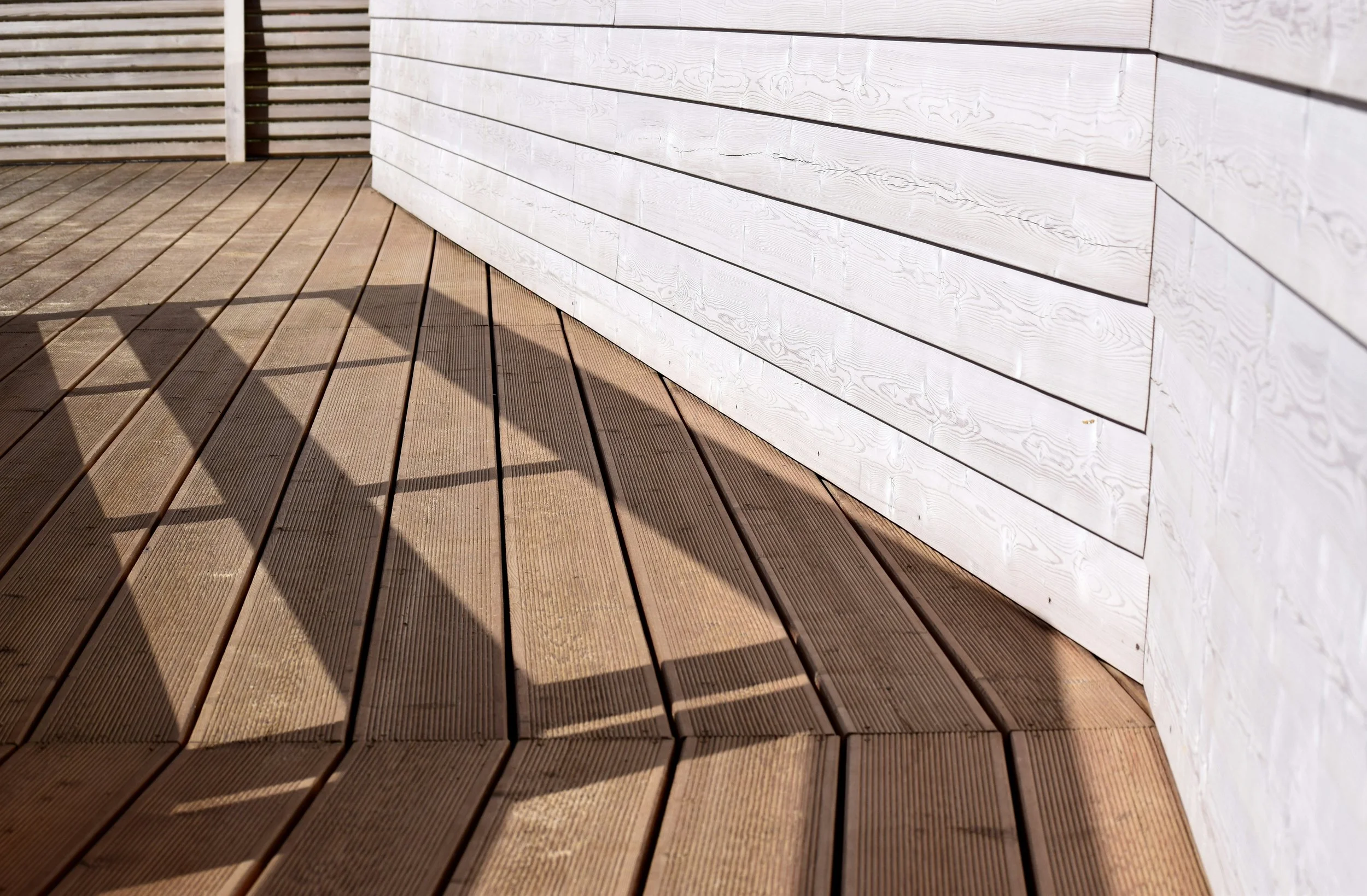
Composite decking is a wood‑plastic blend or fiber‑plastic material designed to provide the aesthetic of wood but with lower maintenance. Many modern boards are “capped,” meaning they have a protective outer shell, often polymer‑based, that resists weathering, UV, moisture, stains and wear.
Because of that outer shell, the surface may be different from raw wood in terms of paint adhesion. Some boards are older and uncapped, or partially coated, which can affect how easily they accept paint. Research from manufacturers indicates that whether you can you paint composite decking depends heavily on whether the board has been capped and how it was installed.
Why Homeowners Consider Painting Composite Decking
To refresh a faded or weathered surface without replacing the entire deck
To update the deck’s appearance and match new siding, furniture, or outdoor decor
To reflect a new personal style or color preference
To avoid the cost and labor of full deck replacement while still making a visual upgrade
To regain visual consistency if some boards have discolored or aged unevenly
To test design changes before committing to a full deck renovation
To explore color flexibility, especially when options during installation were limited
These reasons often lead to the core question: can you paint composite decking in a way that looks good and lasts? And with that question come important follow-ups about paint adhesion, warranty concerns, and long-term maintenance.
When painting composite decks may be possible
There are situations where painting is a realistic option. For example, older composite boards that were manufactured before the widespread use of full polymer cap shells may lack the ultra‑smooth, sealed surface of modern products.
Those uncapped or lightly capped boards have more exposed material that can take a paint or stain with proper preparation. Manufacturer guidance from sources like TimberTech says that older uncapped boards “can safely paint or stain” whereas modern capped boards typically should not.
If you inspect your deck and find the edges of boards reveal wood‑fiber core or the surface lacks a glossy polymer cap, you may be in the “can be painted” zone. In those cases, you’ll still need to follow a rigorous prep process: cleaning, light sanding (if allowable), primer or bonding agent, and exterior‑grade paint suitable for composite surfaces.
When painting composite decking is not a good idea
On the flip side, many modern composite decking boards are explicitly designed not to be painted. For capped composites with a polymer shell, the manufacturer warns that painting may cause poor adhesion, peeling, void warranties, and increase long‑term maintenance needs. When the surface is too smooth, non‑porous or heavily sealed, paint may simply not stick well.
Also, trying to sand or roughen a polymer‑capped board can damage the protective layer, impair slip‑resistance, or compromise weathering performance. Given this, if your deck uses a premium capped product, you may be better off leaving the surface as‑is and focusing instead on complementary design elements (rugs, furniture, trim) rather than repainting the boards themselves.
Preparing Your Deck for Paint: Step-by-Step
If your composite decking is the type that can be safely painted, proper preparation is essential to achieving a lasting and visually appealing result. Skipping or rushing through the prep phase can lead to poor adhesion, uneven coverage, or peeling paint over time. Below is a step-by-step breakdown of how to get your deck surface ready for painting the right way.
1. Clear the Deck Surface
Start by removing all furniture, planters, rugs, and accessories from the deck. This gives you full access to every board and ensures nothing gets in the way during cleaning or painting.
2. Clean Thoroughly
Use a composite-safe cleaner or a mix of mild soap and water with a soft-bristle brush to scrub the surface. This step removes dirt, grime, mildew, and any oils that could prevent paint from sticking. Rinse thoroughly and allow the deck to dry completely before moving on.
3. Sand or De-gloss if Needed
If the composite material allows, lightly sand the boards with fine-grit sandpaper (such as 240 grit) to remove any gloss and create a surface that the paint can grip. Not all composite decking can be sanded, so check manufacturer guidelines to avoid damaging the surface or voiding your warranty.
4. Apply a Bonding Primer
Once the surface is clean and prepared, apply a bonding primer specifically formulated for composite materials. This helps the paint adhere more securely and provides a uniform base coat.
5. Paint with Exterior-Grade Product
After the primer dries, apply a high-quality exterior-grade acrylic latex paint that is rated for use on composite decking. Follow the manufacturer's instructions for application and drying time. For best results, apply in mild, dry weather.
6. Test Before Committing
Always test your full paint process on a small, inconspicuous section first. This will show you how the surface takes the paint and help you confirm that adhesion is solid and the finish looks right.
Paint Types and Color Selection

Choose the right paint type:
Acrylic-latex exterior paint is one of the best options for composite decking.
It offers flexibility for expansion and contraction, strong adhesion, and good resistance to peeling.
Always use paint labeled for exterior use and ideally specified for composite materials.
Explore your color options:
Neutral tones: Charcoal, slate, and warm gray create a modern, understated look.
Richer shades: Deep browns and muted taupes add warmth and natural wood-like appeal.
Lighter colors: Sand and ivory can brighten shaded areas and make smaller decks feel more spacious.
Consider style impact:
Lighter colors reflect more light and can open up the space visually.
Darker hues create bold contrast, especially against lighter furniture or house siding.
Your color choice sets the tone for your entire outdoor living area, so choose with your overall aesthetic in mind.
Style considerations for different colors
The color you select becomes a major style statement. Choosing a warm brown or wood‑tone gives a traditional, timber‑like character.
A charcoal or slate gray lends a modern, minimal aesthetic that works especially well with black metal railings or industrial‑style furniture.
A light‑sand or ivory tone opens up the space and reflects more light, useful if your deck is shaded or tight on space.
You might also consider two‑tone treatment: a main deck surface in a neutral grey, with the rim boards or steps painted in a bold accent (e.g., deep navy, forest green) for visual interest.
Each of these color strategies influences perception: how large the space feels, how the furniture pops, how the deck relates to your home exterior. Whether you want to refresh an existing deck or plan with future style in mind, color decisions deserve the same attention as material selection.
Maintenance and long‑term implications
While painting can refresh the deck’s look, it also introduces new maintenance considerations.
If you repaint a deck, you’ll need to monitor for wear, chipping, peeling or fading. Unlike original composite surfaces designed to withstand years of exposure with minimal upkeep, a painted layer may require touch‑up or full repainting at intervals depending on use, sun exposure and weather.
Also consider warranty implications: if you paint your deck, you may void certain manufacturer guarantees on the boards. Maintenance factors include how often the deck is cleaned, how well the painted surface holds up to foot traffic, UV exposure, freeze‑thaw cycles (especially relevant in Maryland), and how furniture and accessories affect wear.
If you paint, plan for a maintenance schedule and know that the “low‑maintenance” appeal of composite may be reduced.
When replacement or refinishing may make more sense
If your deck boards are showing structural wear, significant fading, warping, or the surface is a modern capped type that cannot be painted, the more effective long‑term choice may be replacement or refinishing rather than painting.
Upgrading to a modern composite board that offers built‑in color stability, texture, and finish often results in less long‑term work than painting and re‑painting. Because premium boards are often designed to hold up for decades with minimal care, the upfront investment may pay off by reducing future maintenance.
That said, any project of installation or major refinishing should involve contacting experienced professionals, especially in Maryland, where climate, local building codes and site conditions matter. Using skilled deck builders ensures the right material choice, finish and installation quality for your region.
How to work with professionals in Maryland
For homeowners in Maryland seeking advice or installation support, reaching out to contractors who understand local climate, permit requirements and finishing techniques is wise.
Whether you achieve a painted finish or choose a premium composite board, having the support of reputable professionals provides benefits: correct board installation, proper sub‑structure, drainage and ventilation, correct finishing or painting application, and a finished look that will hold up better over time.
If you live in areas like Annapolis, you may consider contacting experts listed as Annapolis deck builders. Discussing your goals, whether color refresh, deck resurfacing or full replacement, early will help ensure you receive a tailored quote that reflects your site conditions, board type, structural support, labor and finishing method.
Final thoughts on surface refinement for composite decks
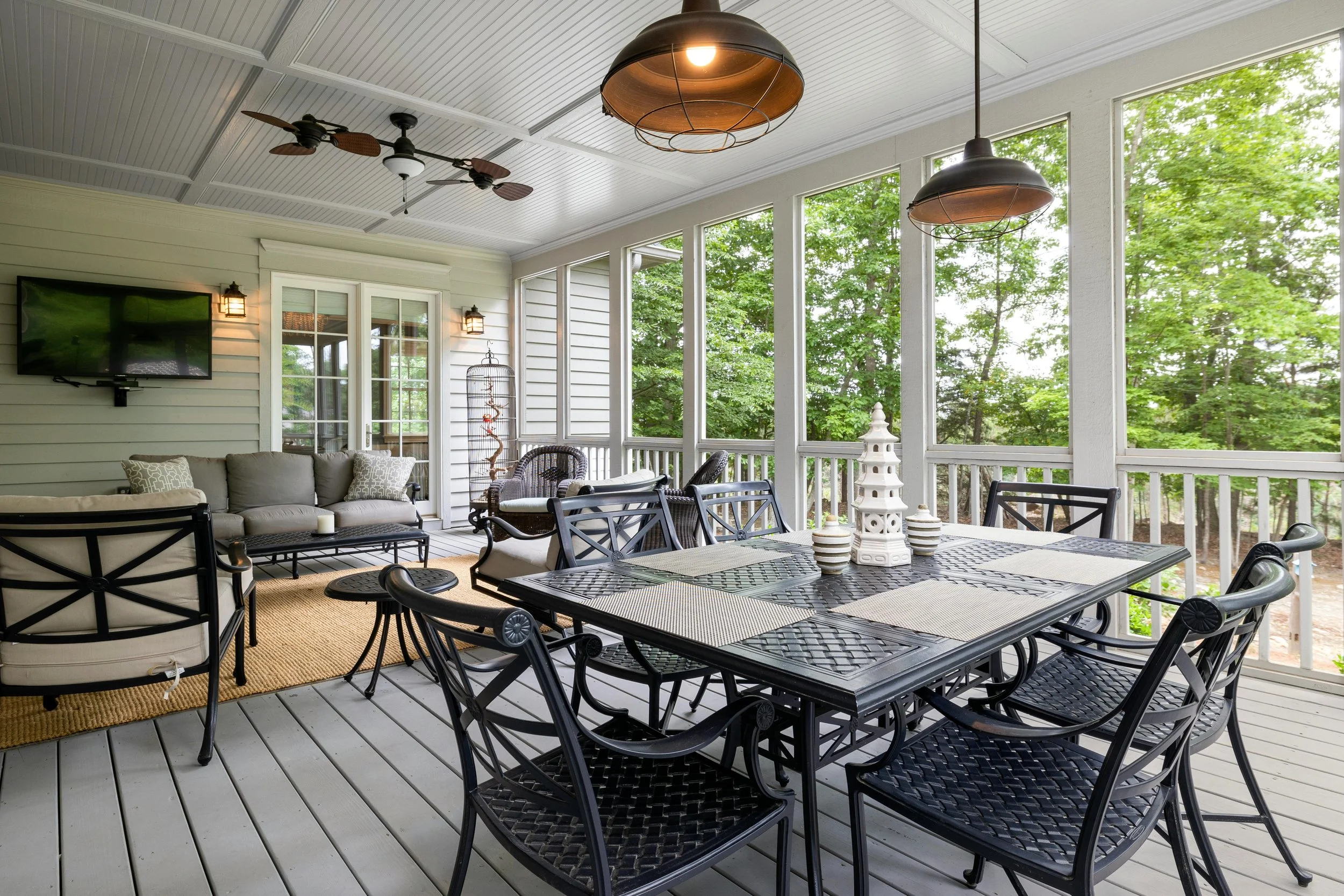
In the end, asking can composite decking be painted is not a one‑size‑fits‑all question. The answer depends on board type, surface condition, warranty status, and your willingness to undertake preparation and future maintenance. For older uncapped boards, painting may be a viable option with careful preparation; for modern capped composites, painting is usually not advisable.
Color choice, paint type and finish quality are all significant in achieving a successful result. Whether you opt to paint, refinish or replace entirely, making sure your deck is installed, finished and maintained for your Maryland property will enhance both appearance and durability.
If you’re exploring how to update your outdoor space, with or without paint, reaching out to capable professionals in your region is a smart starting point. Ultimately, the question of can composite decking be painted is just the beginning of considering how you want your outdoor living area to look and perform.