
How to Upgrade Sprinkler Systems for Better Efficiency and Reliability
Upgrading your lawn irrigation may sound like a major project, but learning how to upgrade sprinkler systems makes a real difference in water usage, plant health, utility bills, and overall ease of maintenance. For Maryland homeowners seeking to elevate their outdoor living spaces, understanding these possibilities is immensely useful.
In this article we’ll walk through the reasons to upgrade, the specific upgrade options, how feasible they are for a homeowner with no prior experience, and finally how local property owners may work with pros for assistance.
Lawn Irrigation Essentials Covered Below
Why upgrade your sprinkler system now
Identifying which parts of your system may need attention
Major upgrade options (and how each one helps)
Which upgrades you can attempt yourself and how
When to enlist professional help
Special considerations for Maryland homeowners
Last thoughts on how to upgrade sprinkler
Why upgrade your sprinkler system now
It’s useful to start by asking why an upgrade is worth the time and expense. Whether your landscape is mature, your watering needs have shifted, or you simply want to reduce waste, an upgrade carries multiple benefits.
Improved water efficiency: Modern systems and components let you more accurately deliver the right amount of water at the right time.
Lower utility bills and less waste: By reducing runoff, overspray, watering when it’s raining, or watering zones unnecessarily, you reduce costs and environmental impact.
Better lawn and garden health: A system that matches soil, sun/shade, and plant‑type helps prevent dry patches, overwatering, and stressed plants.
Adaptation to landscaping changes: If trees have grown, new beds added, or sun exposure changed, your original system may no longer be ideal.
Extended system life: By replacing outdated parts now, you avoid frequent patch fixes.
Increased property value and appeal: A well‑designed irrigation system adds to a home’s curb appeal and perceived care of the outdoor spaces.
In short, knowing how to upgrade sprinkler systems means not just adding new hardware but optimizing the entire system for current conditions.
Identifying which parts of your system may need attention
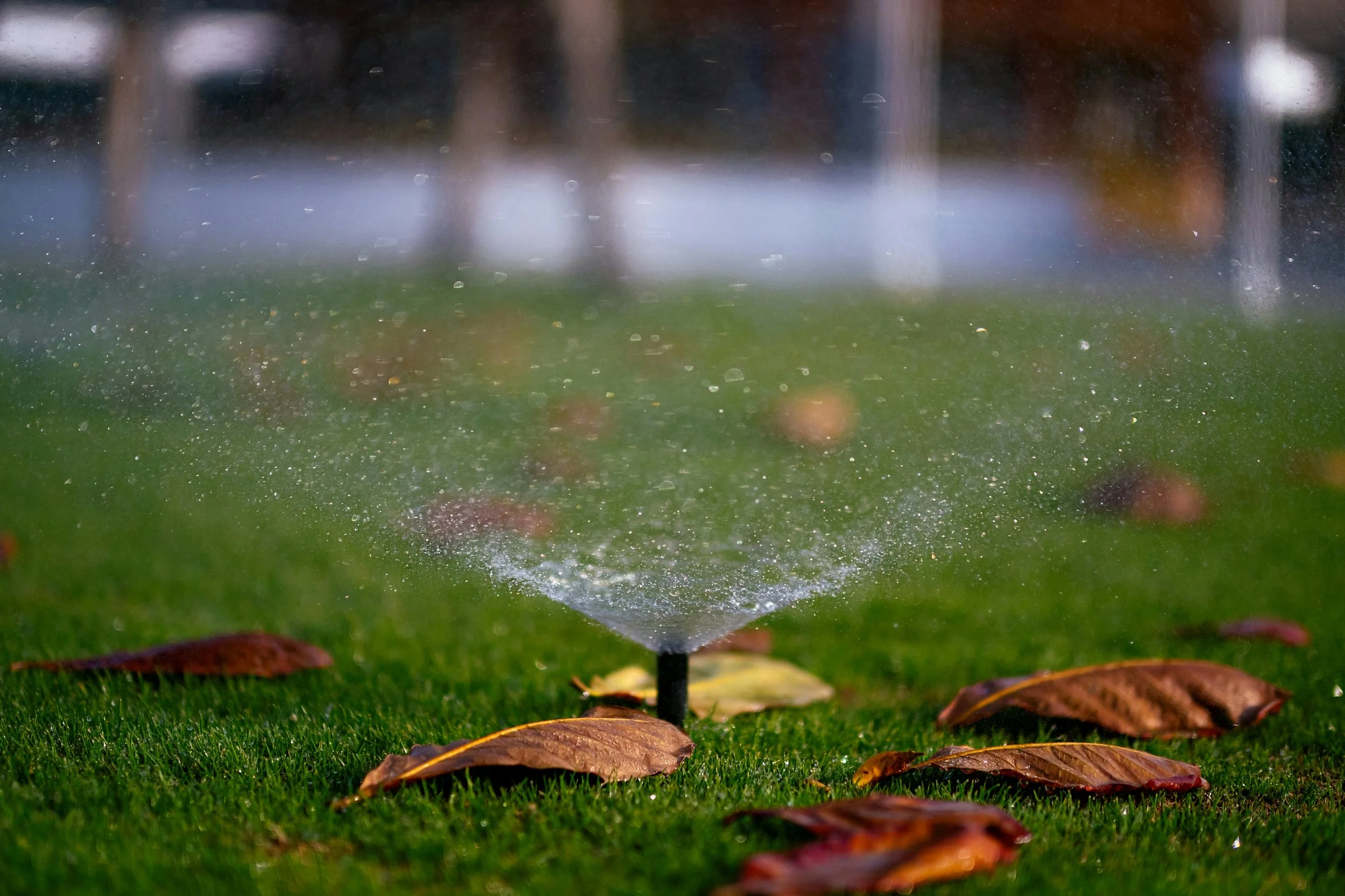
Before jumping into upgrades, you want to assess your existing infrastructure. This helps decide what to tackle now vs later.
Controller / timer: If your controller lacks weather‑sensing or smart features, or if its programming is cumbersome, that’s a strong upgrade candidate.
Sprinkler heads / nozzles: Older spray heads may overspray, mist, or waste water via runoff.
Valves and zones: If some zones water too long, too little, or heads in a zone differ significantly, you may have an imbalance.
Sensors and smart integration: A rain sensor, soil‑moisture sensor, or flow sensor may be missing or outdated.
Pipe infrastructure and layout: If your landscape has changed significantly, your piping may no longer reach or align zones correctly.
Coverage inefficiency: If you have watering where you don’t need it or miss areas, you may need head relocation or redesign.
System age and maintenance history: If the system is many years old and has had multiple incremental repairs, upgrades may offer better value than patching repeatedly.
Major upgrade options (and how each one helps)
Here we dive into specific upgrade types, explaining what they do, why they matter, and how they contribute to overall system performance.
1. Smart Controller / Timer Upgrade
A modern controller can connect to WiFi or a mobile app, adjust watering schedules based on weather or soil conditions, and sometimes allow remote access.
Why perform it: It ensures the system only runs when needed, prevents watering during rain, adapts to seasonal needs, and saves money.
What to check: Compatibility with your zone wiring, need for app setup, ensuring proper programming for your lawn/plant types.
2. High‑Efficiency Nozzles / Sprinkler Heads
Older spray heads often apply water at high rates, causing runoff especially on slopes or heavy soil. Newer nozzles such as rotary or MP Rotator types apply water more slowly and uniformly.
Why perform it: Reduces water waste, improves infiltration into soil, reduces overspray onto driveways, patios or sidewalks.
What to check: Matching nozzle to head, verifying radius/coverage, adjusting when replacing.
3. Rain/Soil/Flow Sensors
Installing rain sensors or soil‑moisture sensors ensures watering is paused during rainfall or soil saturation; flow sensors detect leaks or stuck valves.
Why perform it: Adds safeguards, ensures you’re not watering unnecessarily, protects against hidden leaks, enhances automated efficiency.
What to check: Placement of sensor, calibration for soil sensor, installation into controller wiring.
4. Zone Re‑balancing or Head Relocation
If your landscape has changed, some heads may be mis‑placed or overlapping inefficiently. Re‑zoning might include adding heads, changing head type, or relocating heads.
Why perform it: Ensures even coverage, prevents overwatering some areas while missing others, adapts irrigation to current yard layout.
What to check: Map your yard, note sun/shade and plant water needs, inspect existing coverage and adjust head positions accordingly.
5. Upgrade to Drip or Micro‑Irrigation for Plant Beds
Instead of standard overhead sprinklers for shrub beds or flower beds, using drip or micro systems targets water efficiently at root zones.
Why perform it: Reduces evaporation and runoff, better for plants that need slower, deeper watering.
What to check: Tubing layout, emitter placement, ensuring system pressure is compatible with drip equipment.
6. Check Valve Installation or Pipe Improvements
Older systems may suffer from water holding in lines and discharging after the system shuts off. Check valves stop unwanted flow after shutdown.
Why perform it: Prevents muddy pooling, stops slow leaks, preserves system integrity.
What to check: Pipe slope and layout, water pooling at heads after run, inspect for issues post‑shutdown.
7. Winterization / Seasonal Protection Upgrade
Especially in regions with cold winters, protecting irrigation lines from freezing is important.
Why perform it: Prevents line damage or repair cost due to freeze damage.
What to check: Verify pipe insulation, ensure system drains properly, confirm that shut‑off valves are accessible.
Which upgrades you can attempt yourself and how
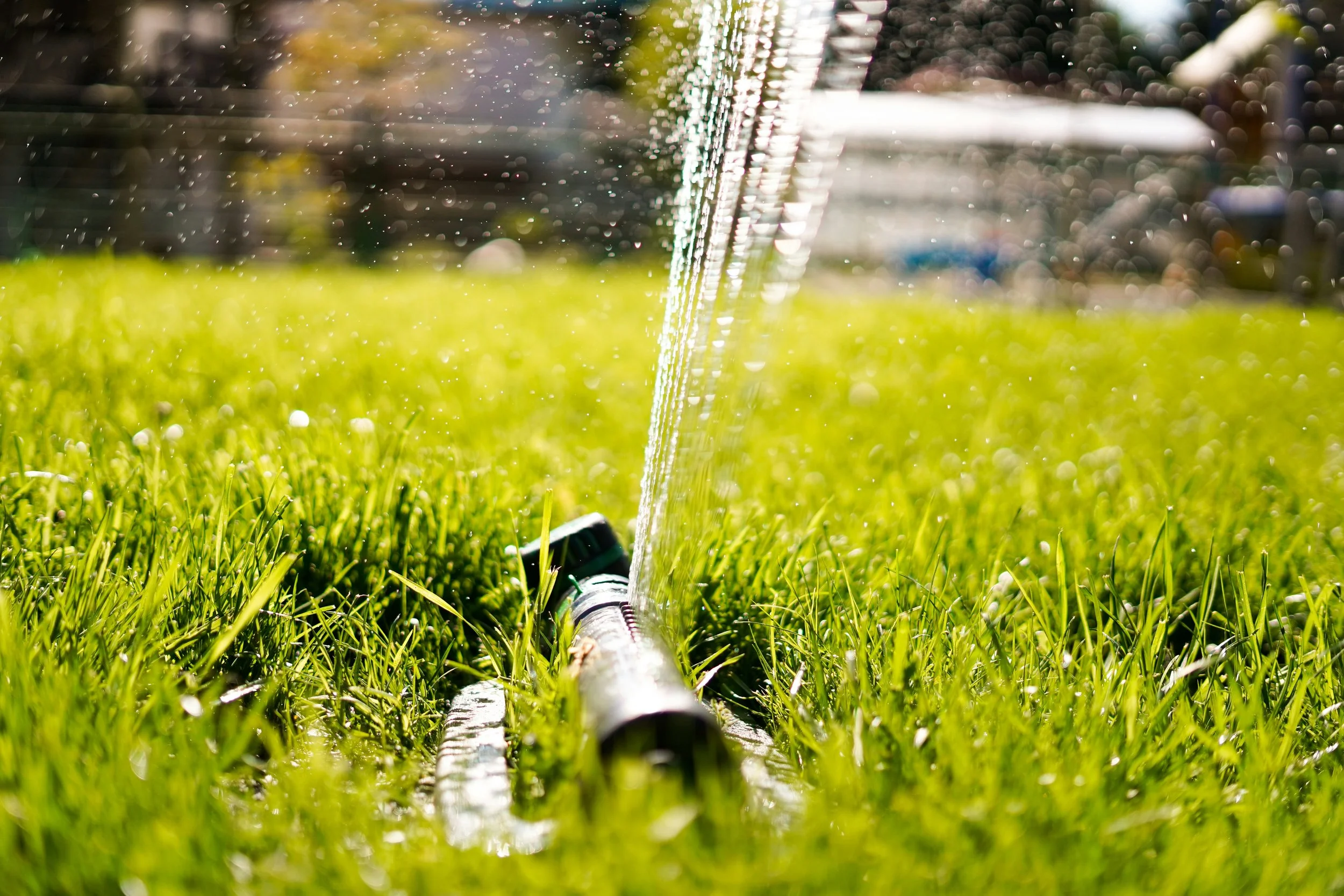
Some upgrades can be done at home with no prior experience. Here’s how:
Step 1: Evaluate your existing system
Inspect heads, controller, valves, and layout. Sketch a map of your zones.
Step 2: Replace a standard controller with a smart controller
Shut off power, remove the old unit, mount the new one, attach wires, and configure the app.
Step 3: Swap out inefficient heads/nozzles
Run zones, identify issues, unscrew old heads, and replace with modern high-efficiency models.
Step 4: Install a rain sensor
Mount in open sky area, connect to controller, test for proper function.
Step 5: Re‑balance zones and relocate heads
Mark dry spots, relocate heads, adjust nozzle types as needed.
Step 6: Upgrade to drip irrigation in a garden bed
Install tubing and emitters, connect to existing line, secure layout and test.
Step 7: Maintenance and monitoring
Check spray coverage, adjust heads, and prepare for seasonal changes.
If you're unsure or face wiring, plumbing, or zoning challenges, professional help is advised.
When to enlist professional help
Although many sprinkler upgrades can be done with basic tools and a bit of patience, there are times when it makes far more sense to bring in a professional. Complex irrigation systems involve underground pipes, electrical wiring, valves, and sensors, which can be difficult to manage without experience. Calling an expert ensures the system functions safely, efficiently, and in compliance with local codes.
If there’s underground damage or suspected leaks, a professional can quickly locate and repair the issue without unnecessary digging or damage to your lawn. Leaks often occur in hidden places such as joints or buried lines and can cause significant water loss if left unresolved. Technicians use specialized tools like pressure gauges and leak detectors to pinpoint the source accurately, saving both time and water.
A full system redesign is another situation where expert guidance is valuable. If your property has changed due to new landscaping, added hardscapes, or expanded lawns, a professional can redesign zones for optimal coverage and pressure balance. They can also recommend modern equipment that matches your soil type, slope, and vegetation, ensuring your irrigation system supports the long-term health of your plants.
Local regulations are another reason to bring in help. Many Maryland municipalities have irrigation standards regarding water efficiency, backflow prevention, and installation permits. A certified contractor will be familiar with these requirements and can ensure your upgraded system meets them. Backflow protection, for example, is essential for keeping your home’s drinking water supply safe from contamination, and professionals have the training and equipment to install or upgrade these devices correctly.
Finally, hiring an expert provides peace of mind. A seamless, professionally managed upgrade eliminates the trial-and-error that often comes with DIY projects. An experienced technician will assess your current setup, test water pressure and coverage, identify outdated or inefficient parts, and propose targeted improvements that fit your yard’s layout. They can also provide a custom quote based on your property’s specific conditions, helping you budget accurately for the work ahead.
Special considerations for Maryland homeowners
For Maryland residents, irrigation system upgrades must address:
Seasonal climate shifts: Systems must handle summer heat and winter freezes.
Mature landscaping: Tree growth may change irrigation needs.
Soil and terrain variations: Choose heads suited for clay or slopes.
Municipal regulations: Some towns have watering schedules or restrictions.
Local contractors: You can trust Maryland Decking for sprinkler upgrades in Maryland.
Last thoughts on how to upgrade sprinkler
Understanding how to upgrade sprinkler systems can transform your landscape’s health, water usage, and day-to-day maintenance. Homeowners who take the time to evaluate, update, and improve their system benefit from greater efficiency and fewer surprises. Whether you're adding smart controls, swapping out heads, or converting to drip, even small steps can add up to major gains. And if you're in Maryland and need help along the way, there's reliable local support ready to assist.